What if your morning coffee, school drop-off, and commute all fit within a few calm, tree-lined blocks? If you’re weighing a move to the mid-Peninsula, it helps to picture the rhythm of a normal day. You want real-life details you can trust so you can decide if the routines, routes, and neighborhoods match your goals. This guide walks you through a typical day in Menlo Park so you can see how life actually works here. Let’s dive in.
Where Menlo Park sits
You are on the San Francisco Peninsula in San Mateo County, with Palo Alto to the south and Atherton to the west. Menlo Park sits between US 101 and I 280, so you can drive north or south with ease. The Caltrain station is steps from downtown Santa Cruz Avenue, which keeps rail commutes practical. The city is small, with roughly thirty to thirty-five thousand residents, and it shares job markets with nearby Palo Alto, Redwood City, and the larger Silicon Valley.
A typical weekday rhythm
Morning on Santa Cruz Avenue
You’ll see people walking to independent cafes and bakeries on Santa Cruz Avenue before work. Parents do school drop-offs at neighborhood campuses and head to errands or classes at community centers. Around the Caltrain station, small commuter groups gather as locals pick up breakfast to go.
Getting to work
Caltrain from Menlo Park runs north and south, with typical rides to San Francisco often 30 to 50 minutes depending on the train and time of day. Driving uses US 101 or I 280; trips to Palo Alto or Redwood City are short off-peak but can stretch during rush hour. Many tech employers run private shuttles, and rideshares are common for short hops. For close-by trips, biking is practical, especially between Menlo Park and parts of Palo Alto or Redwood City.
Midday pulse
Weekdays, downtown fills with lunch traffic from nearby offices and campuses. Sidewalk seating is busy, and you’ll notice people grabbing prepared foods or small grocery runs. If you work from home, quick breaks often mean a loop through a pocket park or a pass by the library.
Evenings and weekends
After work, you might walk the dog, hit a fitness class, or plan a simple dinner downtown. Many residents head to parks for youth sports, pickup games, or a quiet stroll. If you want more dining variety, Palo Alto and Redwood City are a short drive and offer broader restaurant clusters.
Getting around without stress
Downtown and the blocks around the Caltrain station are compact and walkable for daily errands. Outside that core, most trips still happen by car, and parking downtown can be tight at lunchtime and during weekend events. Some neighborhoods use residential permits, so it helps to check posted signs before you park. For a smoother experience, plan errands before noon or after the dinner rush.
Homes and neighborhoods at a glance
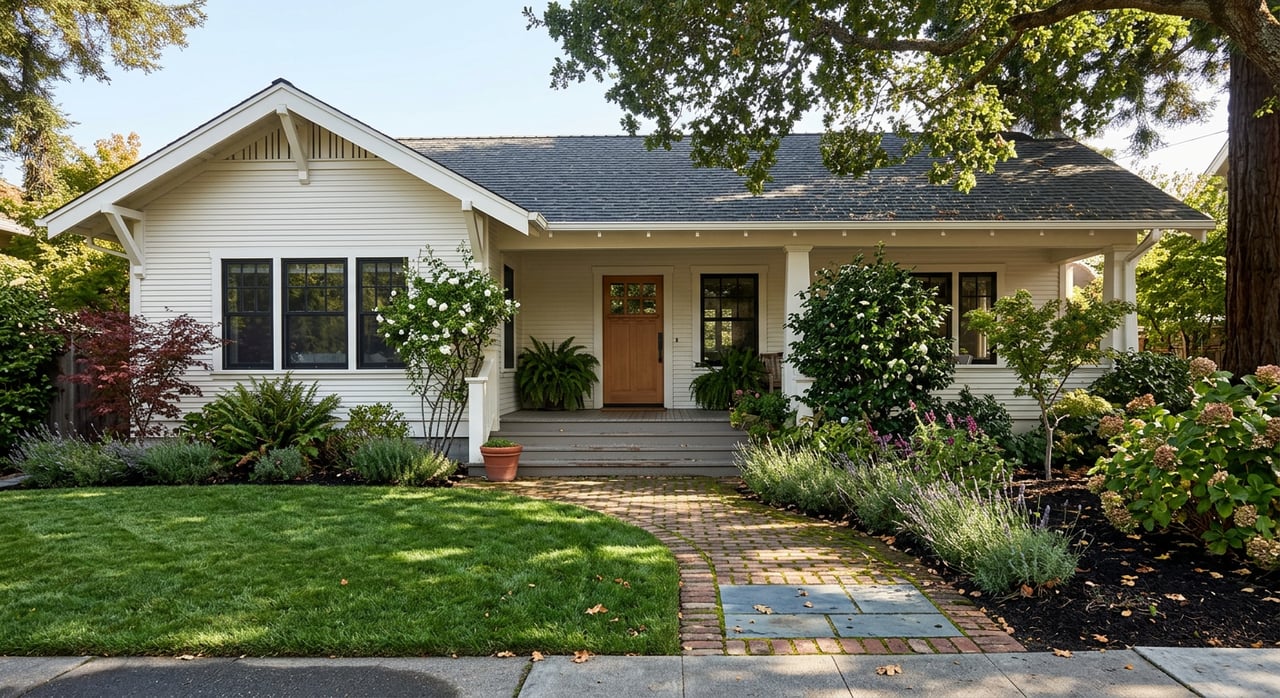
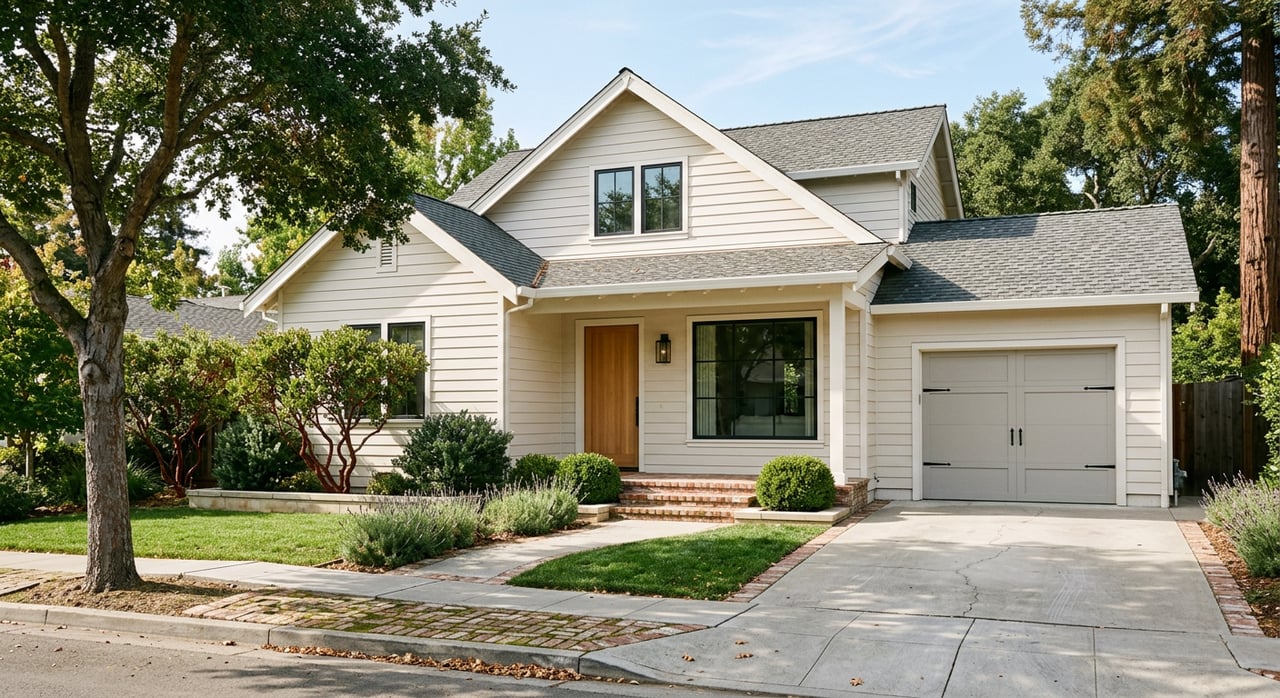
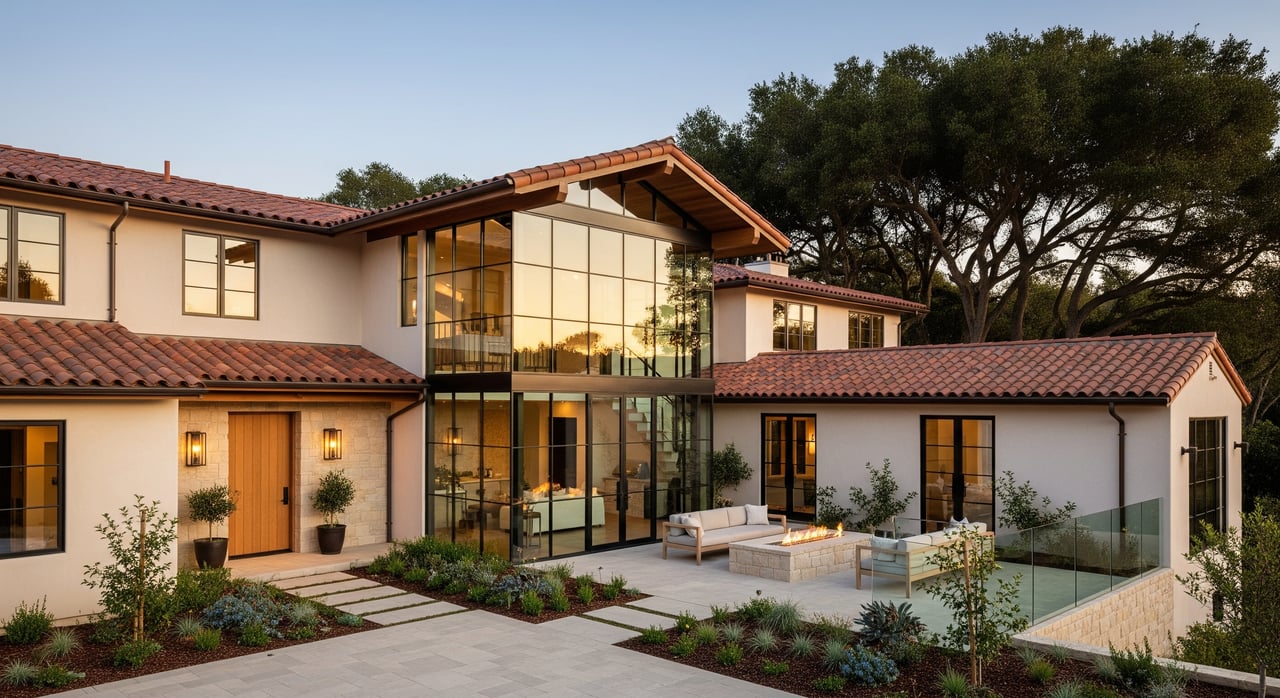
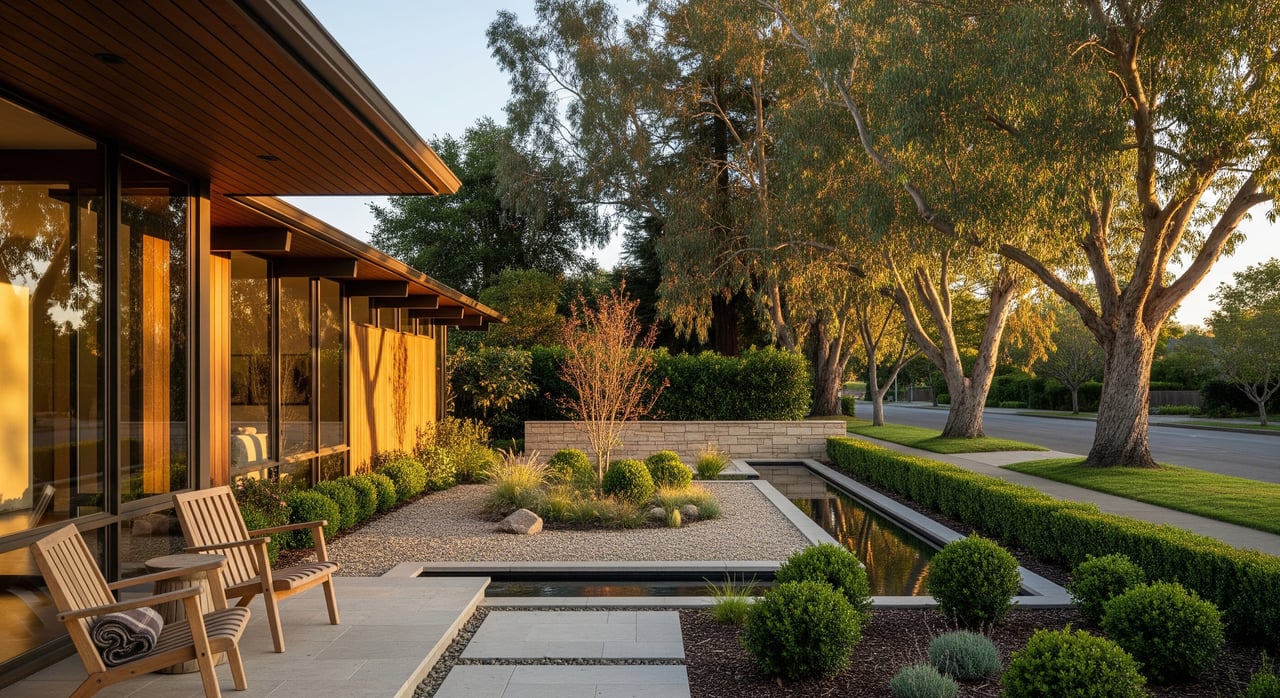
Menlo Park’s housing stock is mostly single-family homes on tree-lined streets. You’ll find Craftsman bungalows, Spanish-revival styles, mid-century designs, and newer rebuilds. Near the Caltrain corridor and downtown, there are more townhomes, small condo buildings, and apartments. Inventory is often tight, and pricing reflects strong demand tied to major employers and amenities.
Downtown and Santa Cruz Avenue
If you want a village feel and short trips, the downtown core is the most walkable. Daily life often means a quick stroll to coffee, dry cleaning, and the train. Evenings bring a casual energy, with a few sit-down spots and regular sidewalk activity.
Allied Arts and nearby enclaves
Close to downtown, these blocks feature smaller, older homes and a cozy, bungalow-heavy character. Streets are shaded and calm, and you can walk or bike to many errands. The scale feels residential, and the transition to retail areas is quick.
Sharon Heights and west Menlo
In northern and western pockets, you’ll see larger lots, mid-century homes, and newer construction. The feel is quieter and more suburban, with easy access to green spaces and private clubs. Daily routines often include quick drives for services on El Camino Real or downtown visits.
Belle Haven and east Menlo Park
On the eastern edge, housing is denser and close to major job centers. The area reflects ongoing development and planning discussions, including affordability and growth near transit routes. Everyday travel here often uses US 101, and you’ll notice employer shuttles along key corridors.
Parks, food, and everyday fun
For regular outdoor time, you have choices in every direction. Bedwell Bayfront Park offers wide bay views, multi-use trails, birdwatching, and standout sunsets. Burgess Park anchors community life with sports fields, playgrounds, and places for weekend exercise. Nearby regional open spaces, like Edgewood Park, Arastradero Preserve, and Stanford’s paths, make quick escapes easy.
On the food front, Santa Cruz Avenue leans local with cafes, bakeries, and specialty shops. El Camino Real adds national chains and services for everyday needs. Farmers markets in Menlo Park and neighboring cities draw steady weekend crowds for produce and prepared foods.
Schools and services you’ll use
Most addresses are served by Menlo Park City School District for elementary and middle grades and by Sequoia Union High School District for high school. Boundaries can vary by address, and private and charter options are part of the local mix. It helps to confirm attendance zones and enrollment timing as you plan. For healthcare, Stanford Health Care and nearby clinics in Palo Alto and Redwood City are major resources.
Groceries, banking, and daily services cluster along downtown and El Camino Real. The Menlo Park Library and community centers provide classes, kids’ programming, and civic events. Public safety data typically shows lower violent-crime rates than national averages, though property crime occurs, as in most Bay Area communities.
What residents often say
Many people describe Menlo Park as a “village on the Peninsula,” with a compact downtown that still feels residential. You get convenience without heavy urban density, plus quick reach to Stanford and nearby job hubs. Outdoor routines are easy to keep, from bayfront runs to neighborhood park time. Tech and venture capital activity shape lunch crowds, commute patterns, and the weekday tempo.
If you’re thinking of moving
Try these simple experiments to see if the lifestyle fits:
- Test the commute both by Caltrain and by car during your typical hours.
- Visit neighborhoods morning, midday, and evening to observe parking, traffic, and street activity.
- Walk Santa Cruz Avenue for errands, then check which tasks need a quick drive.
- Explore Bedwell Bayfront Park and Burgess Park to map your weekly outdoor routine.
- Confirm school boundaries and enrollment dates before you make an offer.
When you are ready to match lifestyle, school needs, and a smart home strategy, connect with a local advisor who can guide each step. For a conversation tailored to your goals, reach out to JeanMarie Buckley. Let’s talk schools & homes.
FAQs
How long does Caltrain take from Menlo Park to San Francisco?
- Typical rides often take 30 to 50 minutes depending on the train type and time of day.
Is downtown Menlo Park walkable for errands?
- Yes, the area around Santa Cruz Avenue and the Caltrain station is compact and walkable for daily tasks like coffee, groceries, and small shops.
What types of homes are common in Menlo Park?
- Mostly single-family homes on tree-lined streets, plus townhomes, condos, and small apartments near the Caltrain corridor and downtown.
How does traffic and parking affect daily life?
- Midday and weekend events can make downtown parking tight, and peak-hour traffic on US 101 can lengthen commutes; many neighborhoods use residential permits.
Which school districts serve Menlo Park addresses?
- Most addresses are in Menlo Park City School District for elementary and middle and Sequoia Union High School District for high school, with boundaries varying by address.
Where do people go for parks and outdoor time?
- Bedwell Bayfront Park is popular for trails and sunset views, while Burgess Park hosts sports fields and playgrounds; regional open spaces are a short drive.
What should renters expect in Menlo Park?
- Rentals are mainly apartments and townhomes near downtown and transit, with single-family rentals less common and generally commanding premium rents.
Are there public transit options besides Caltrain?
- Yes, SamTrans buses serve parts of the city, many employers run commuter shuttles, and rideshares are widely used for short trips.