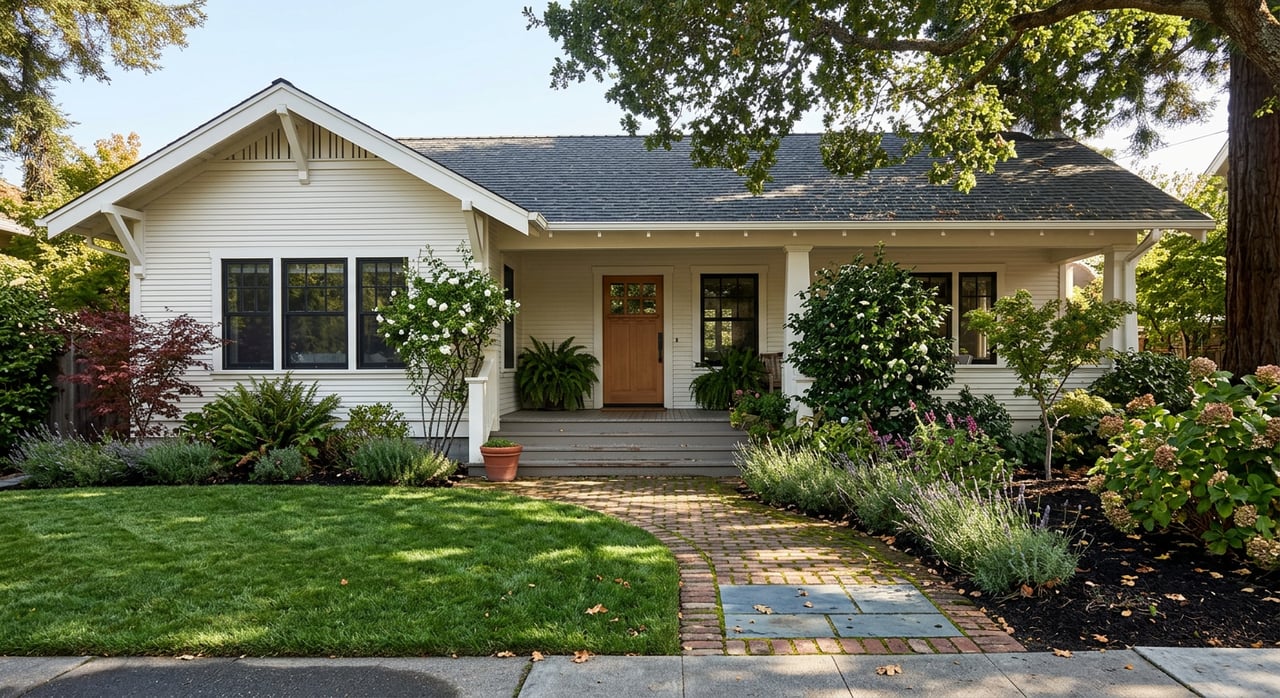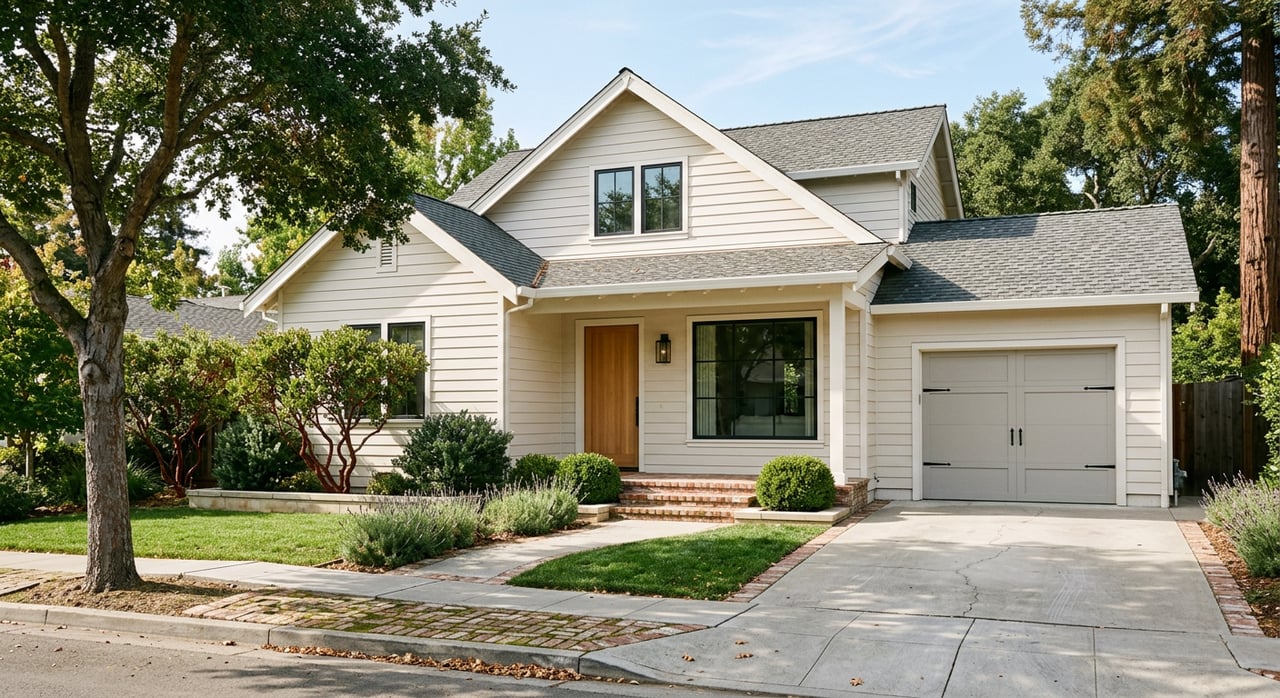
Outgrowing your Burlingame home but not sure how to line up the sell and the buy without extra stress or costs? You are not alone. Many Peninsula homeowners want more space, a different layout, or a new neighborhood and wonder how to time it in a tight, high-value market. This guide gives you a calm, step-by-step plan tailored to Burlingame so you can move up with confidence. Let’s dive in.
Quick-start checklist
- Get pre-approved and watch weekly rates. Check the 30-year average on the Freddie Mac PMMS.
- Estimate net proceeds from your current home and set a budget for prep and temporary housing.
- Confirm Burlingame point-of-sale items, including the required sewer lateral test.
- Choose your path: sell first, buy first with bridge or HELOC, or write a contingent offer.
- Set a prep plan and timeline: pre-inspections, minor fixes, staging, and photography.
What today’s Burlingame market means for you
Prices and micro-markets
Burlingame sits in a high-value slice of the Mid-Peninsula. Reported medians can vary across data sources because this is a small, fast-moving micro-market. Neighborhoods can perform differently based on architecture, lot size, and proximity to transit and amenities. Focus on rolling trends and price-per-square-foot bands rather than a single month’s median.
Inventory and choice
San Mateo County remains supply constrained, which means you often see few active listings at a time. County assessments have reached record highs, which is consistent with strong property values and ongoing investment in the area. You will likely encounter limited choices in your target price band and neighborhood, so coordinating both sides of your move is key. Review county context from the San Mateo County Assessor as a backdrop to local trends.
Mortgage rates and timing
Mortgage rates dipped into the low 6% range in late February 2026, which can widen the buyer pool and support stronger spring demand. Rates are still above the 2020 to 2021 lows, so affordability remains a factor. Keep an eye on weekly rate moves through the Freddie Mac PMMS. If rates soften and inventory stays tight, well-prepared listings often enjoy faster interest.
Pick your move-up path
Sell first
- Pros: no double-mortgage risk, clarity on your net proceeds, and a simpler purchase qualification.
- Cons: you may need temporary housing or a rent-back and must be ready to act quickly once funds clear.
- Best fit: you can line up a short-term rental, have flexible timing, or can negotiate a leaseback after close.
Buy first with bridge or HELOC
- Pros: you can make a clean, competitive offer on the next home and control the timing of your sale.
- Cons: higher short-term financing costs, qualifying for the new loan while carrying the old one, and the risk of two mortgages if your sale takes longer.
- Tools: compare bridge financing with a HELOC. A concise overview of tradeoffs is outlined here: Bridge loan vs HELOC for move-ups. Review rates, fees, and payoff coordination.
Make a contingent offer
- Pros: avoids double carrying costs because your purchase depends on your sale.
- Cons: in tighter pockets of Burlingame, contingent offers are less competitive. If you go this route, be precise about timelines and risk.
- Forms and mechanics: California uses standard CAR forms for contingencies and removal. Browse the CAR forms list so you know the acronyms you will hear.
Rent-back to bridge the gap
- What it is: you sell your home, close escrow, then lease it back from the buyer for a set period.
- Why it helps: it gives you time to shop without rushing and aligns your move-in dates with school or work timelines.
- What to watch: clarify rent, deposit, utilities, and insurance. Your agent will build these terms into the purchase agreement.
Finance tools and prep
Pre-underwrite and estimate your net
Before you list, work with your lender to pre-underwrite your purchase so you know your exact budget. Build a net sheet that includes payoff amounts, expected closing costs, and a prep budget. For potential tax implications, start with the basics in IRS Publication 523 and ask your tax professional how the rules apply to you.
Bridge vs HELOC: which fits your plan
A HELOC can be flexible and lower cost, but the balance may count against your debt-to-income for the new loan. Bridge financing can give you a larger lump sum quickly and support a non-contingent offer, but it usually comes with higher rates and fees. If your current home will sell quickly at a strong price, a shorter-term solution may be worth the carrying cost. If your home needs prep or a longer runway, factor that into your choice.
Proposition 19 portability for 55+ sellers
If you are 55 or older, disabled, or a victim of a disaster, review base-year value transfer options under Proposition 19. The State Board of Equalization provides an overview of eligibility and timelines on its Prop 19 page. This is general information, so confirm your specific situation with your tax advisor or attorney.
Local must-dos before you list
Sewer lateral testing in Burlingame
Burlingame requires a sewer lateral test for most homes older than 25 years at the time of transfer. If repairs are needed, they must be completed and approved before close, so schedule this early to avoid delays. You can find procedures and permit steps in the city’s sewer lateral ordinance. Add this to your pre-listing checklist and budget for possible fixes.
Disclosures and permits
California law requires sellers to disclose known material facts, including past unpermitted work, through the Transfer Disclosure Statement. Start gathering permits, receipts, and contractor records early so buyers have clear information and you avoid late surprises. For a plain-language overview of disclosure basics, review this guide to California seller disclosure.
Pre-inspections and simple repairs
A pre-listing home inspection and a pest report can surface issues in advance, letting you choose repairs or price accordingly. In a micro-market like Burlingame, this can shorten negotiations and improve certainty. Focus on safety items and systems that concern buyers, such as roof, plumbing, electrical, and HVAC.
Staging that moves the needle
Staging, decluttering, curb appeal, and high-end photography help buyers picture themselves in the space and often lead to faster, stronger offers. Industry research shows staging can reduce time on market and add a modest premium in many cases. See the summary in the NAR 2025 staging report release.
Timing cues to watch
Months of supply and days on market
Months of supply shows the balance between buyers and sellers. Many analysts view roughly 4 to 6 months as balanced, lower favors sellers and higher favors buyers. Pair this with days on market: falling DOM often signals rising momentum, while rising DOM points to more buyer choice.
New listings vs closed sales
When new listings outpace closed sales, mid-tier segments can see more negotiation room. If sales outpace listings, expect more competition for well-prepared homes. Your pricing and prep strategy should reflect where your segment sits.
Neighborhood and transit considerations
Proximity to Caltrain, Highway 101, and SFO can be value drivers for many buyers. Local projects such as the Broadway grade-separation improve access and reduce crossings over time, but construction periods can affect traffic and noise. If your street is near an active project, plan your showing schedule and disclose known details so buyers have context.
A simple move-up timeline
- Weeks 1 to 2: Lender pre-underwrite, net sheet, Compass-grade prep plan, schedule sewer lateral test, book inspections and stager.
- Weeks 3 to 4: Complete minor repairs, light paint and landscaping refresh, stage, and photograph. Finalize pricing and launch.
- Weeks 5 to 6: Go live, review offers, and negotiate terms that help your plan. Consider a rent-back if you are selling first.
- Weeks 7 to 10: If buying first, write cleanly and manage contingency timelines. In California, contingency periods often run one to three weeks unless negotiated otherwise. Learn how removal works and why written notices matter in this overview of RPA timelines and common mistakes.
You deserve a smooth, well-sequenced move that protects your time and your equity. With a clear plan, smart prep, and precise contract management, you can step into your next Burlingame home with confidence. If you would like a tailored roadmap and a hands-on prep team, reach out to JeanMarie Buckley. Let’s talk schools and homes, and get your move-up done the right way.
FAQs
What should a Burlingame move-up seller watch in 2026?
- Track weekly mortgage rates, local months of supply, and days on market. Lower rates and tight inventory can favor well-prepared listings in spring.
How does a rent-back help me move up?
- A rent-back lets you close on your sale, then lease the home from the buyer for a set period, which gives you time to purchase and align move dates without a double move.
What are common California contingency timelines I should expect?
- Inspection often runs one to two weeks, with loan and appraisal commonly set around two to three weeks unless negotiated. Contingencies must be removed in writing.
Is a bridge loan or a HELOC better for Burlingame sellers?
- It depends on your equity, risk tolerance, and timing. A bridge can support a non-contingent offer but costs more, while a HELOC is flexible but affects qualification.
Do I have to do a sewer lateral test when I sell in Burlingame?
- In most cases yes for homes older than 25 years. Testing and any required repairs must be completed and approved before transfer.
What tax rules should I know before I sell?
- Review capital gains basics in IRS Publication 523 and, if you are 55 or older, check Proposition 19 base-year transfer options. Always consult your tax advisor.