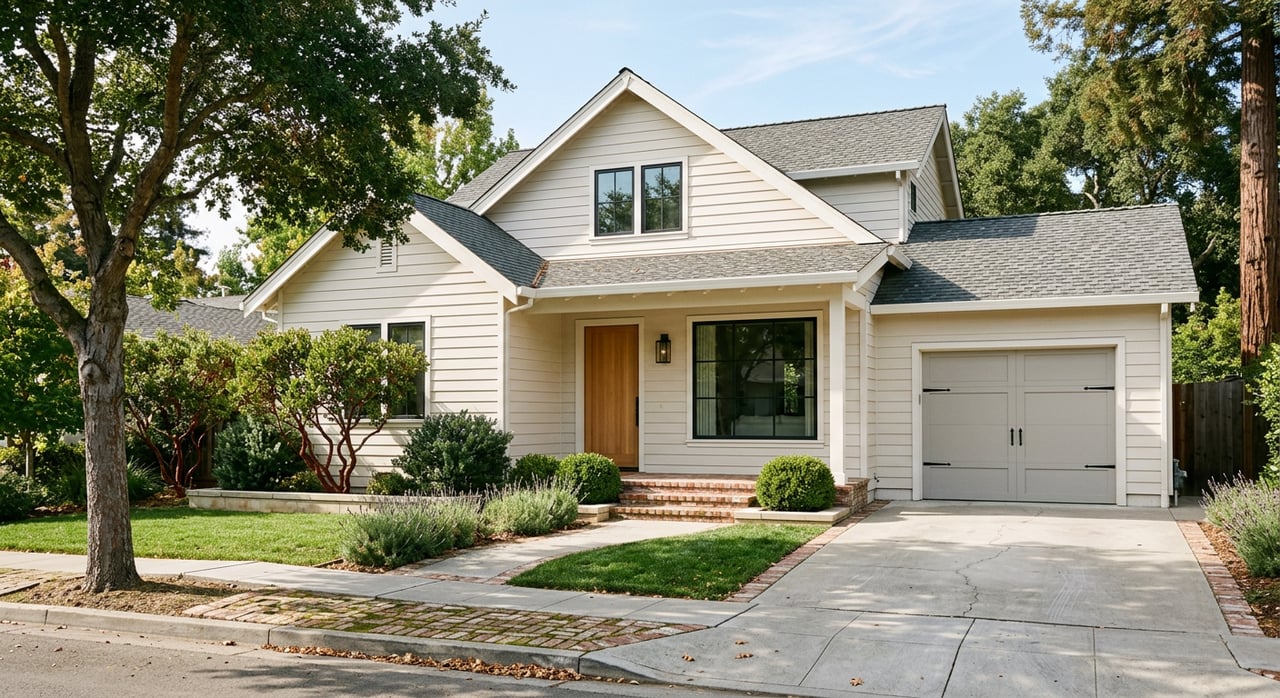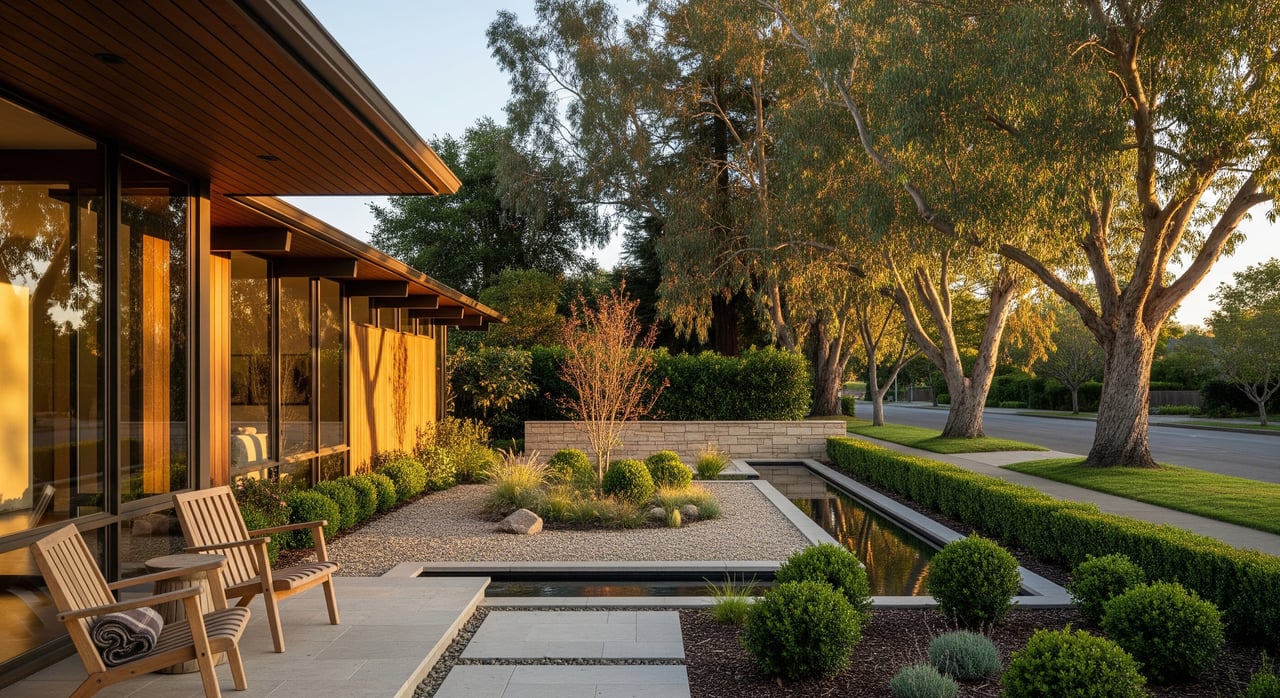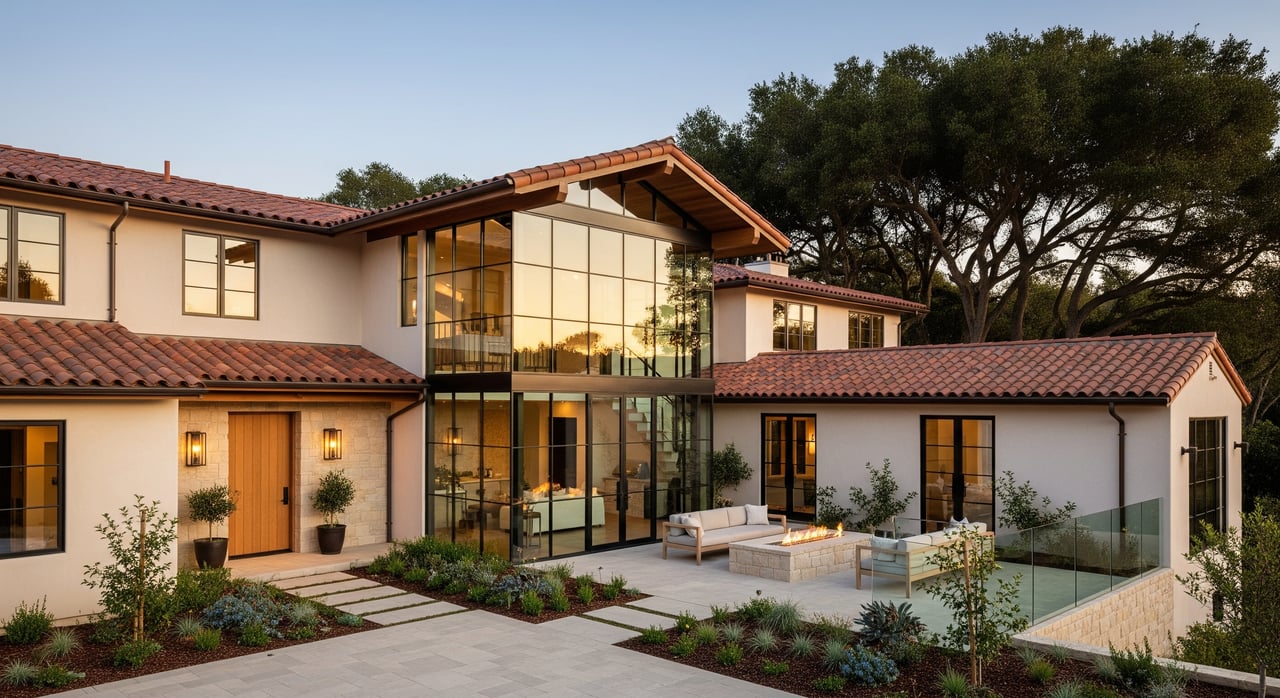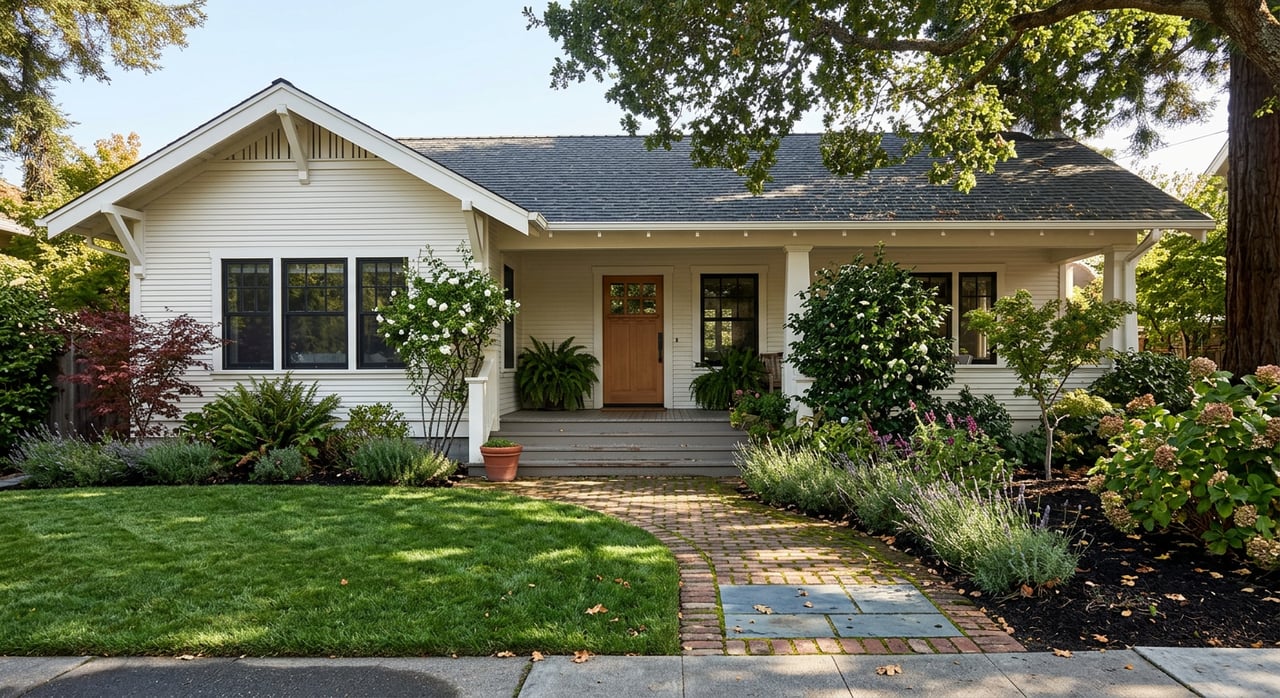
What draws you to a neighborhood at first glance — the homes or the trees? In San Mateo Park, the two are inseparable. Curving lanes, specimen trees, and period-revival homes create a park-like setting that feels designed, because it was. In this guide, you’ll learn how the neighborhood took shape, what architectural styles you’ll notice on a walk, where the garden character comes from, and a few historic highlights that anchor the story. Let’s dive in.
Where San Mateo Park begins
San Mateo Park sits within the City of San Mateo, bordered roughly by Hillsborough, Barroilhet Avenue, El Camino Real, and Engle Road. You can confirm its neighborhood association and general boundaries on the city’s homeowner association listings page. For orientation, start near the northern edges and follow the curving streets south toward San Mateo. The setting transitions from intimate bungalow blocks to larger corner parcels with broad lawns.
City of San Mateo HOA listings
A planned garden neighborhood
San Mateo Park was laid out beginning in 1896 as a residence-park community shaped by architect-developer George H. Howard and famed landscape designer John McLaren. The plan followed a City Beautiful mindset with gently curving streets that respect topography and a planting strategy that treated trees as core infrastructure. Neighborhood records note the early, intentional use of specimen trees to frame intersections and soften the streetscape. Today, you still experience that original design goal on every walk.
- Learn about the neighborhood’s history and planting legacy on the association’s site: San Mateo Park Neighborhood Association
- See how the Historic American Landscapes Survey describes the residence-park layout and landscaped circles: HALS Northern California inventory
Architectural styles at a glance
San Mateo Park reads like a visual timeline of early 20th-century residential design. You’ll see homes built from the 1900s through the 1930s with a mix of period revivals and a few later infill properties. Here are quick cues to help you spot them.
Craftsman and Arts & Crafts
Look for broad porches, tapered columns, and exposed rafter tails under generous eaves. Many façades use shingles or horizontal wood siding that blend naturally with the tree canopy. These homes typically sit close to the street and feel welcoming from the sidewalk.
- Style cues reference: San Mateo Park Neighborhood Association
Spanish and Mediterranean Revival
These villas favor smooth stucco walls, red clay tile roofs, and arched openings. Wrought-iron balconies and decorative grilles add texture to the façade. Garden courtyards and tiled entries often bridge indoor and outdoor living.
- Style cues reference: San Mateo Park Neighborhood Association
Tudor Revival
Expect steeply pitched roofs and a storybook silhouette. Many examples show decorative half-timbering and multi-pane windows that add depth to the façade. The overall effect is a charming, cottage-like presence set within mature landscaping.
- Tudor details reference: Planning for Residential Historic Districts memo
Colonial Revival and Victorians
Colonial Revivals present balanced, symmetrical fronts and simple classical trim. Scattered late-Victorian or Queen Anne forms add bay windows, varied rooflines, and occasional turrets. Together, these styles create a cohesive yet diverse streetscape.
Streetscape, trees, and island charm
The Park’s identity flows from its trees and planted islands. Early plans envisioned distinctive specimens at intersections to guide carriage traffic and mark the neighborhood’s character. You will notice a mature mix that includes oaks, redwoods, elms, maples, palms, olives, cork oaks, and seasonal flowering varieties.
Local sources note dozens of landscaped circles and medians throughout the area. The neighborhood association references 62 planted islands, while a HALS summary cites 69. The difference reflects how counts can vary over time, but the effect on the ground is clear: green punctuation at nearly every turn.
- Tree and planting context: San Mateo Park Neighborhood Association
- Island and layout context: HALS Northern California inventory
Gardens and the daily walk
Front gardens frame the experience here. Wider setbacks, layered hedges, and deep lawns make the sidewalks feel quiet and buffered. Planted circles help calm traffic and create pocket views that change with the seasons. Many homes feature private gardens and outdoor rooms that extend living areas into the landscape.
The result is a shaded, park-like walk with long views under a continuous canopy. If you enjoy architecture spotting, bring a camera. Door surrounds, tile accents, and ironwork details reward a closer look.
A historic garden landmark
On the neighborhood’s edge, the Eugene J. de Sabla, Jr. Teahouse and Tea Garden at 70 De Sabla Avenue offers a rare, surviving piece of early estate landscape design. Built around 1907 and associated with designer Makoto Hagiwara, the garden is listed on the National Register of Historic Places. You can appreciate the teahouse gate and landscape composition from the street, as it is a private property.
- Historic listing and details: NPS NPGallery — De Sabla Teahouse and Tea Garden
Lot patterns and home scale
Lot sizes in San Mateo Park vary widely. You will see compact early 20th-century parcels with porch-forward bungalows on some blocks and larger, estate-like lots on others. This variety creates a visually engaging street rhythm and offers options for different space needs.
Smaller lots still feel green thanks to mature street trees and thoughtful front gardens. Larger parcels often showcase deeper setbacks, motor courts, and generous outdoor living. The mix is part of the Park’s enduring charm.
Preservation and planning context
City discussions in recent years have identified areas west of El Camino Real, including San Mateo Park, as potentially eligible for additional historic documentation or district consideration. While policy is still evolving, the topic matters if you are evaluating long-term stewardship, remodel timing, or future neighborhood character. The San Mateo Park Neighborhood Association remains engaged on planting and preservation conversations.
- Policy context and potential eligibility: Planning for Residential Historic Districts memo
Tips for your own neighborhood walk
- Start near a landscaped circle and note how tree canopies guide your view down the block.
- Compare a porch-front Craftsman with a nearby stucco-and-tile Mediterranean to see how materials shape the vibe.
- Look for seasonal color in flowering specimens and the textures of hedges, trellises, and entry gates.
- Observe front setbacks and how gardens buffer the street without feeling closed off.
- Enjoy proximity to downtown Burlingame and San Mateo, as well as nearby Caltrain stations, depending on your starting point.
Buying or selling in San Mateo Park
If you love architecture and garden settings, the Park offers both. As a buyer, you may be choosing between intimate bungalow charm and larger-lot presence, all within a leafy framework that feels timeless. As a seller, small updates to outdoor spaces and style-appropriate staging can help highlight what makes your home shine in this setting.
You can count on boutique, hands-on guidance, market strategy tailored to the Park’s character, and access to pre-sale improvement resources through Compass Concierge when appropriate. If schools factor into your decision, you will receive neutral, process-focused support to align timing and enrollment logistics with your move. When you are ready to talk next steps, connect with JeanMarie Buckley for local insights and a clear plan. Let’s talk schools & homes.
FAQs
What makes San Mateo Park unique for home shoppers?
- It is a planned residence-park with curving streets, intentional plantings, and numerous landscaped circles that create a park-like feel, as described by the neighborhood association and the HALS inventory.
What architectural styles will I see on a first visit?
- Expect Craftsman bungalows, Spanish and Mediterranean Revival villas, Tudor Revival, Colonial Revival, and a few late-Victorian forms, with style cues like porches, stucco walls, and steep roofs cited by local sources.
Is there a nationally listed landmark in the area?
- Yes. The Eugene J. de Sabla, Jr. Teahouse and Tea Garden at 70 De Sabla Avenue is listed on the National Register of Historic Places and is viewable from the street.
How big are lots in San Mateo Park?
- Lot sizes vary from compact early 20th-century parcels to larger estate-scale properties, which creates visual variety and options for different space needs.
Is San Mateo Park being studied for historic protections?
- A 2021 city memo notes areas west of El Camino Real, including San Mateo Park, as potentially eligible for further historic documentation or district consideration, with details still evolving.
Can I tour private gardens in San Mateo Park?
- Most are private, though occasional community or charity tours may include properties; check neighborhood association announcements for any current programs.