Thinking about updating a classic in San Mateo Park, but not sure where to start? You are not alone. Older homes in this neighborhood offer beautiful craftsmanship and character, yet many need thoughtful upgrades to meet today’s comfort, safety, and efficiency standards. In this guide, you’ll learn how to plan a renovation that protects historic charm while tackling the right priorities, permits, and team selection. Let’s dive in.
What makes San Mateo Park unique
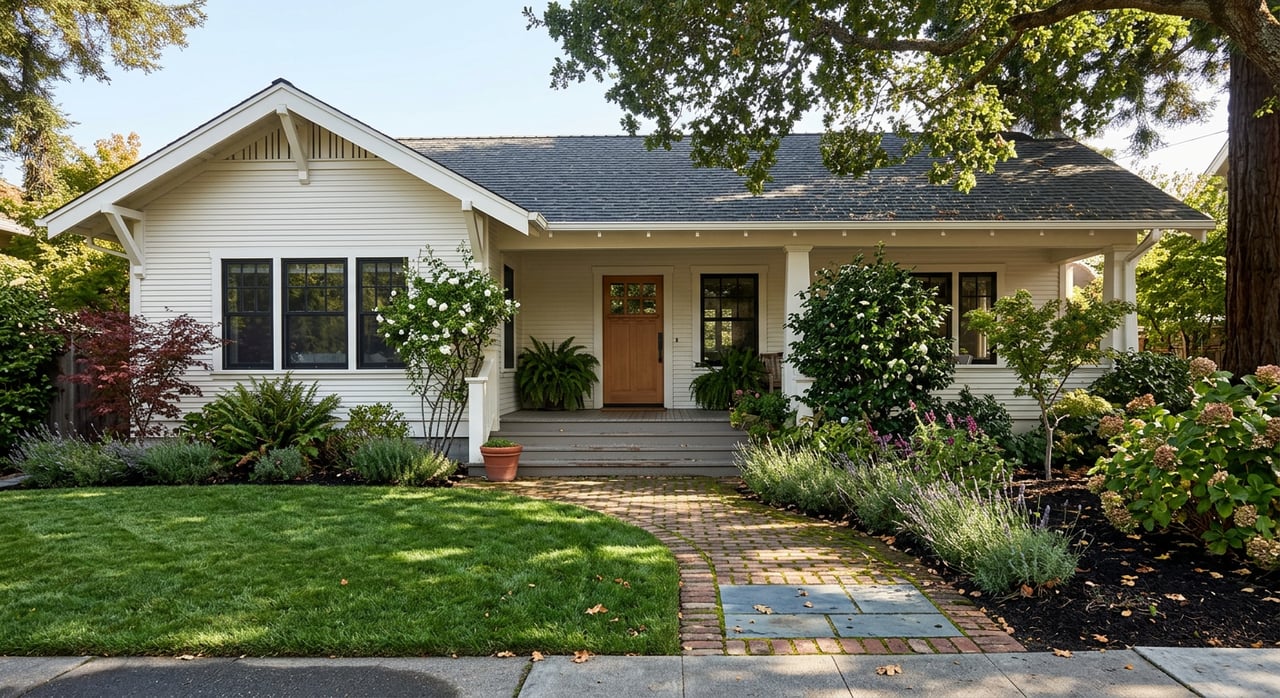
San Mateo Park is known for early 20th-century homes with period detailing, original woodwork, and mature landscaping. Many were built before modern codes, which means systems and structure often need attention. Preserving these features while improving livability is the goal.
Some homes may appear on local historic inventories or be within a historic district. If so, exterior changes can trigger design review. The City of San Mateo Planning Division and the California Office of Historic Preservation can help you confirm status and requirements. The Secretary of the Interior’s Standards for Rehabilitation is a common best-practices reference for respectful upgrades.
You will also want to check with the City’s Building/Inspection Division early to understand permits and inspections. Local community groups, such as the San Mateo Park Association, may share neighborhood design guidance and material preferences.
Start with assessments and a plan
Before you sketch a new kitchen, get a clear picture of the home’s condition. This step saves time, money, and character features.
- Full home inspection with a focus on structure, roof, drainage, and crawlspaces.
- Structural engineer evaluation for foundation anchoring, cripple walls, soft-story risks, and chimneys.
- Electrical and plumbing inspections to identify outdated materials and service capacity.
- Termite and wood-destroying organism inspection.
- Lead-based paint and asbestos testing if your home predates 1978 or materials are suspect.
- Historic features inventory so you can prioritize what to preserve.
Define your objectives next: what to protect, where to improve comfort and efficiency, and whether you plan to add space. Align your goals with budget and timeline before you begin design.
Know when permits and reviews apply
Older homes often require permits for work you might consider routine. Early clarity reduces delays.
- Permits are typically required for structural, electrical, plumbing, and mechanical changes, foundation work, roof replacement, additions, and many window projects.
- Re-roofing can require permits depending on scope.
- Demolition and any lead or asbestos abatement may require notifications or permits.
- If your property is designated historic or in a local district, exterior changes can require design review or a Certificate of Appropriateness.
- The State Historical Building Code can offer flexible compliance pathways for historic buildings. Discuss with City staff if applicable.
Expect a sequence of inspections, such as foundation, rough mechanical/electrical/plumbing, insulation, and final. Skipping permits can affect resale and insurance.
Tackle structure and water first
In California, seismic safety and water management are top priorities for older homes.
Seismic and structural basics
- Foundation bolting to secure the house to its foundation.
- Cripple-wall and shear-wall strengthening to reduce lateral movement.
- Soft-story retrofits when open ground floors or garage openings exist.
- Chimney removal or seismic bracing if unreinforced masonry is present.
A licensed structural engineer should develop your retrofit plan and coordinate with your contractor.
Roof and water management
- Replace aged roofing and repair failing flashing and gutters.
- Improve grading and site drainage to move water away from the foundation.
- Address crawlspace moisture to prevent rot and mold.
Protecting the envelope before cosmetic work prevents expensive rework later.
Update critical systems safely
Older wiring and plumbing rarely meet today’s demands. Upgrading systems improves safety and daily livability.
Electrical
- Replace knob-and-tube and ungrounded wiring with modern grounded circuits.
- Upgrade service capacity to 100–200 amps as needed for modern loads.
- Add dedicated circuits and AFCI/GFCI protection per current code.
- Always use a licensed electrician. This work requires permits and inspections.
Plumbing
- Replace galvanized supply lines and aging cast iron drains.
- Consider PEX or copper for supply and modern materials for drains.
- Evaluate the sewer lateral for blockages or deterioration and repair if needed.
- Replace older water heaters with higher-efficiency models.
HVAC
- Many older homes lack central systems or use outdated furnaces. Consider heat pump systems for efficient heating and cooling.
- If adding ducts is difficult, ductless mini-split heat pumps can be an elegant solution.
Improve comfort and efficiency
Historic homes can be comfortable and efficient without sacrificing charm.
- Start with air sealing and attic insulation. These usually deliver the best return with minimal impact.
- Add wall insulation where feasible and safe for the building assembly.
- Use weatherstripping, storm windows, or historically sensitive window replacements as needed.
- Focus on balanced ventilation to manage moisture and indoor air quality.
In many cases, sensitive restoration of original windows combined with storm panels and air sealing offers a great blend of character and performance.
Handle hazardous materials the right way
If your home was built before 1978, assume lead-based paint might be present. Federal lead-safe work practices under the EPA’s Renovation, Repair and Painting rule apply when disturbing painted surfaces. Asbestos may be found in older insulation, roofing, floor tiles, and mastics. Always test before demolition or sanding. Use licensed abatement professionals where required and plan abatement before other trades start.
Choose the right team
Working on a historic home benefits from a team that respects craftsmanship and knows local processes.
- Architect or preservation architect for design, additions, and historically sensitive details.
- Structural engineer with seismic retrofit experience.
- General contractor licensed in California, with a track record on period homes in the Peninsula.
- Licensed electricians, plumbers, and HVAC specialists.
- Certified lead and asbestos abatement firms when tests indicate presence.
- Preservation consultant if you need help with materials, methods, or design review.
Get multiple bids, verify California license and insurance information, and check references for similar historic projects.
Sequence your project to avoid rework
A logical order keeps the home protected and the schedule efficient:
- Planning and permits, including design and historic approvals.
- Hazardous materials testing and abatement.
- Structural, foundation, and seismic retrofits.
- Roof, exterior repairs, and site drainage improvements.
- Rough electrical, plumbing, and HVAC, plus any service upgrades.
- Insulation and air sealing.
- Interior finishes and window or door installations.
- Final testing, punch list, and inspections.
Budget, timeline, and financing
Renovation costs vary widely with scope. Historically sensitive work can cost more per square foot than new construction because of specialty materials and craftsmanship. Plan for longer timelines due to permit review, potential historic review, and the surprises that come with opening walls.
- Build a contingency of at least 10–20 percent. Older homes often reveal hidden conditions like rot, termite damage, or outdated wiring.
- Consider financing options matched to your goals and timing. Many owners use HELOCs or home equity loans. If you are purchasing and renovating, explore FHA 203(k) Rehabilitation Mortgages or Fannie Mae HomeStyle Renovation loans.
If you plan to sell after improvements, Compass Concierge can help qualified sellers fund targeted pre-sale updates and staging, then repay at closing. Ask how this program could fit your strategy.
Energy rebates and local programs
California and Bay Area programs often provide incentives for efficiency and electrification upgrades, such as attic insulation, heat pump HVAC, heat pump water heaters, and window improvements. Regional options typically include utility rebates through PG&E and programs like BayREN. Also check City of San Mateo and San Mateo County pages for periodic seismic or efficiency incentives, as offerings can change.
Smooth renovations in San Mateo Park
A successful renovation protects what makes your home special while upgrading what matters most for safety, comfort, and value. Start with careful assessments, involve the City early, assemble an experienced team, and follow a smart sequence that prioritizes structure, water management, and building systems before finishes.
If you are considering buying, selling, or planning pre-sale improvements in San Mateo Park, let’s talk about the best path to your goals. Connect with JeanMarie Buckley to discuss timing, strategy, and neighborhood-level insights. Let’s talk schools & homes.
FAQs
Do San Mateo Park exterior changes require historic review?
- Some properties are on local historic inventories or within districts, which can trigger design review for exterior work. Confirm status early with the City of San Mateo Planning Division.
What should I fix first in an older San Mateo Park home?
- Prioritize seismic and structural items, roof and flashing, and drainage or moisture issues. Protect the envelope first, then upgrade electrical, plumbing, and HVAC.
How do I handle lead paint and asbestos during renovation?
- Test before any demolition or sanding. Follow EPA lead-safe work practices for pre-1978 homes and use licensed abatement contractors when asbestos or lead is present.
Will I need permits to replace windows or add HVAC?
- Often yes. Window projects, new or replaced HVAC systems, and most electrical, plumbing, and structural changes require permits and inspections in San Mateo.
What financing options cover purchase and renovation together?
- FHA 203(k) and Fannie Mae HomeStyle Renovation can finance both purchase and improvements in one loan. HELOCs and home equity loans are common for existing owners.
How much contingency should I set aside for surprises?
- Plan for at least 10–20 percent of your total budget. Older homes frequently reveal hidden issues once walls are opened.